
Solutions 06 blueprints

Communication plans for sites that cannot improvise.

Six field-tested ways to connect help points, control rooms, broadcasts and alarms, from a single campus to a petrochemical plant.

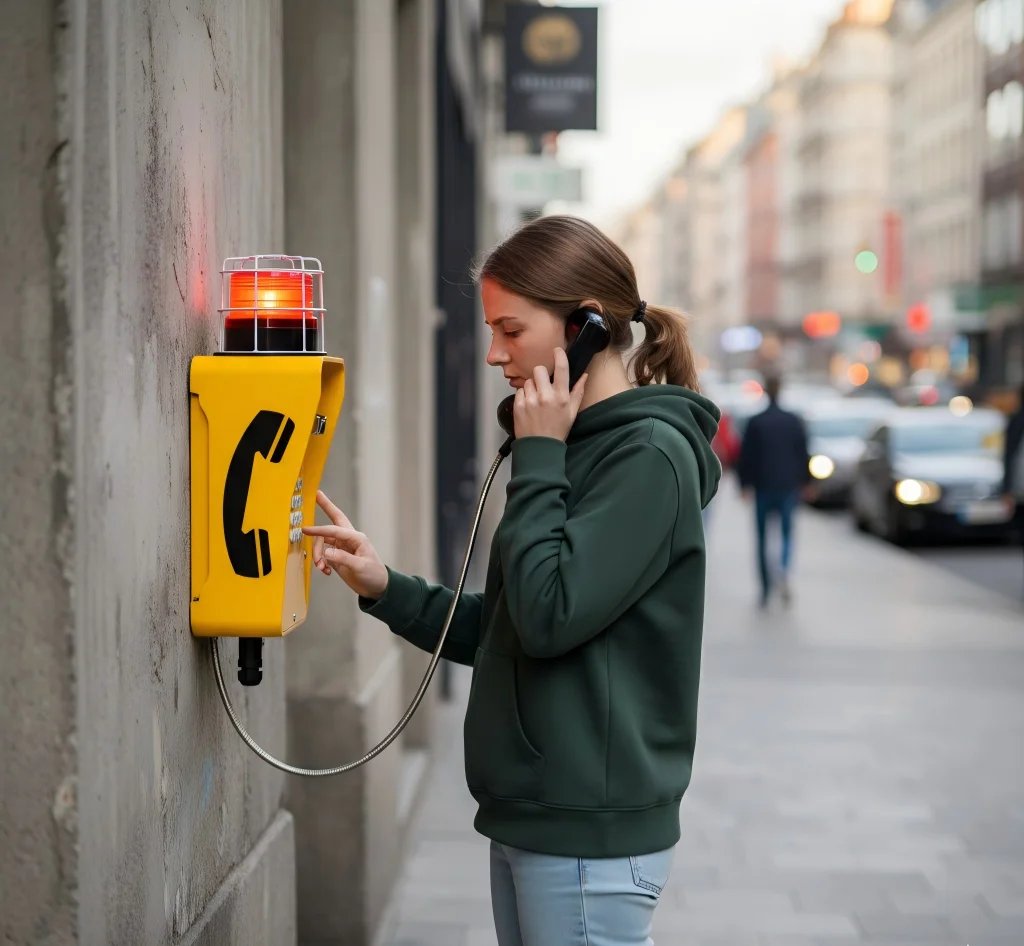
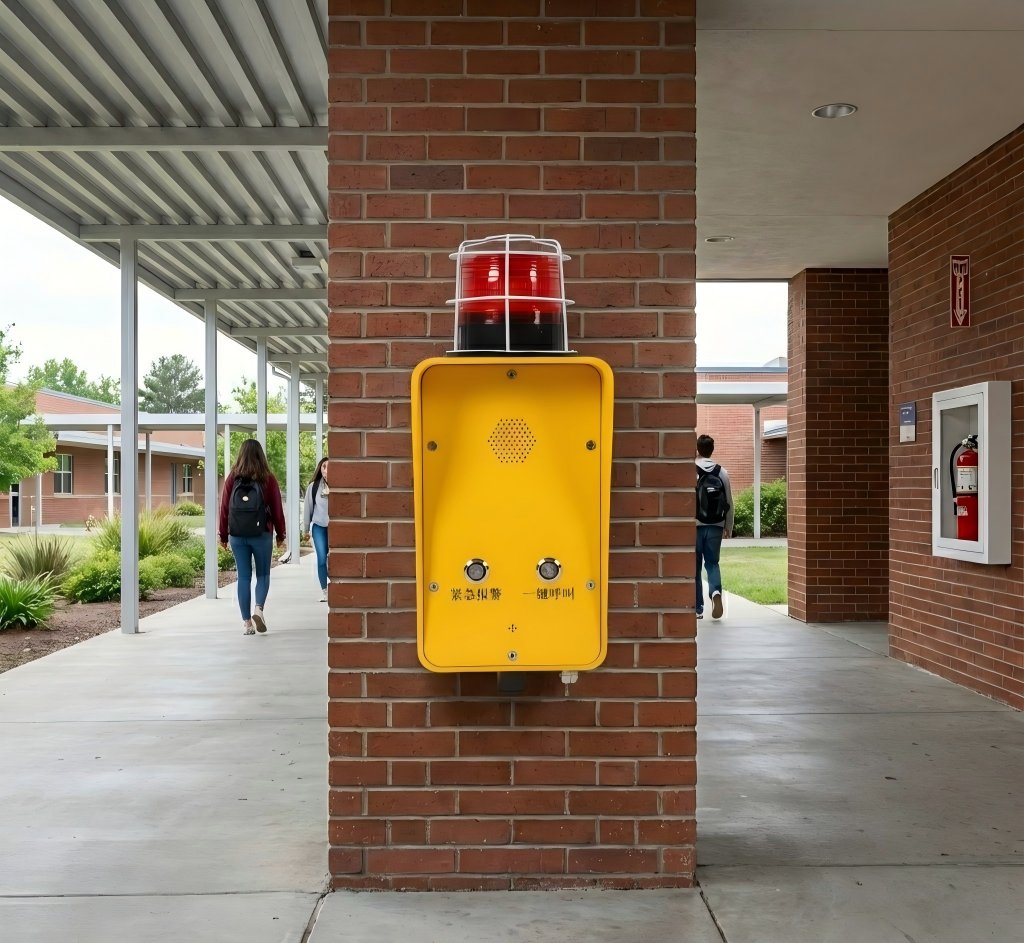
Emergency call point on a school campusEducation & public safety
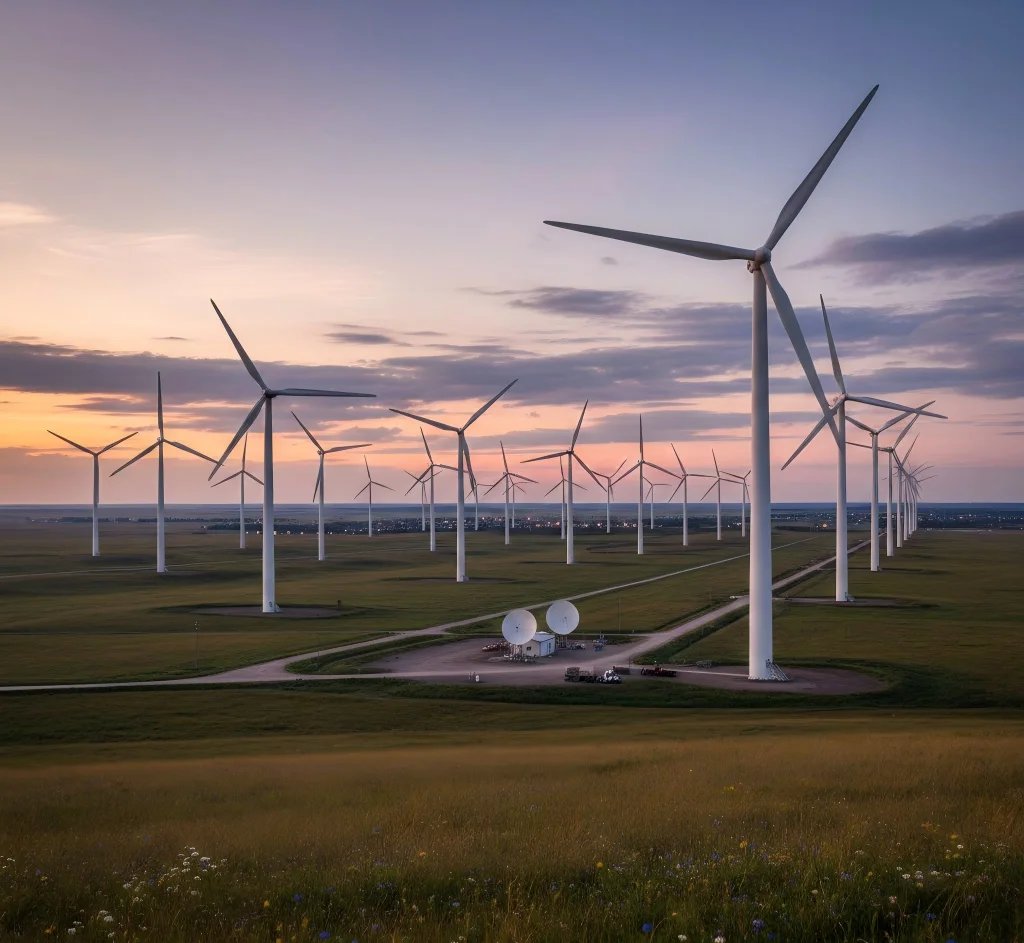
Wind turbines across an open landscapeRenewable energy
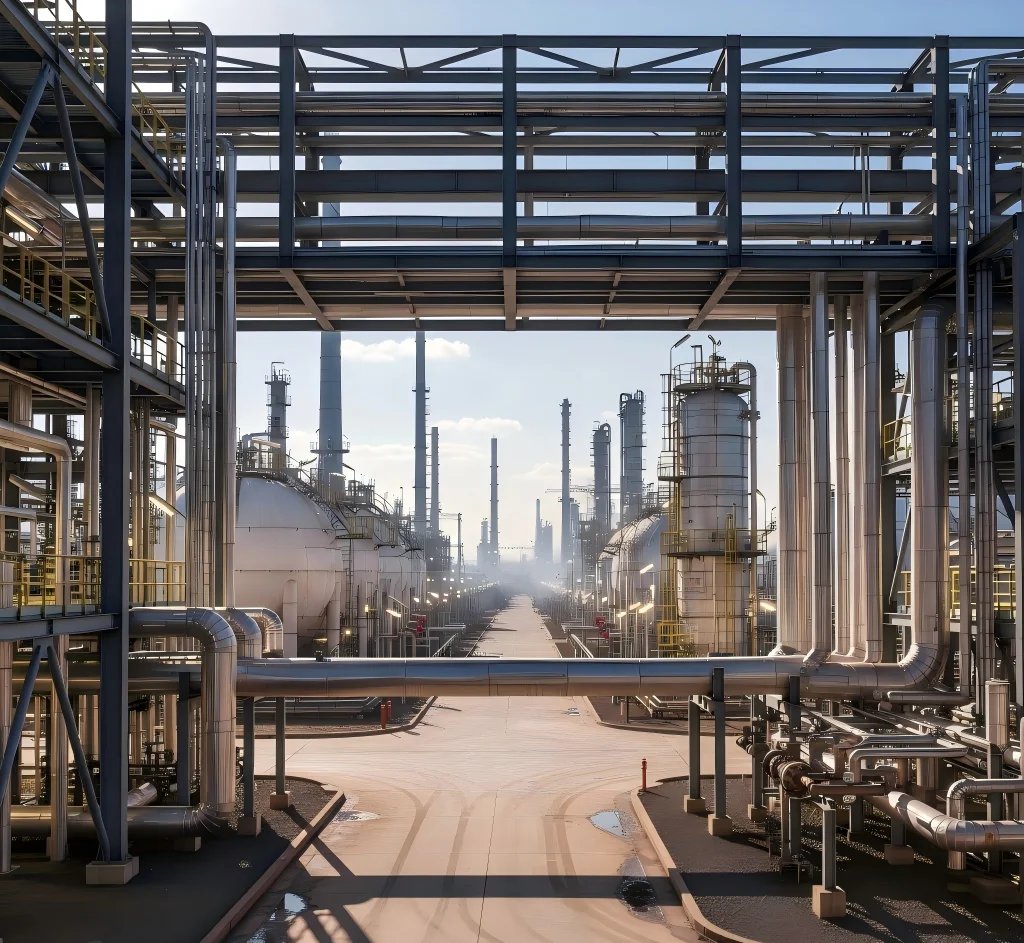
Petrochemical plant at duskOil, gas & chemicals
Underground utility corridor with pipework and walkwayUnderground utilities
Emergency call point on a school campus
01 Education & public safety

01 / Education & public safety

Campus alarm assistance linkage

A campus emergency response system that brings help points, video, broadcast and fire alarms into one SIP-based console.

Campus safety incidents are rare until they are not. A delayed response, or a call that reaches the wrong desk, can turn a manageable incident into a serious one.

The Safecom Campus Emergency Response System is a one-stop solution built on standard SIP. It links alarm assistance, video verification, campus broadcast and fire alarm signals so operators can see what is happening, hear the caller and coordinate the response from one interface.

  • Open architectureStandard SIP supports third-party devices and interoperability with the campus’s existing IP communication system.
  • Service integrationVoice assistance, video linkage, fire alarm and access control share one console.
  • Efficient collaborationMultiple consoles can be partitioned by area, handle several calls at once and hand work between operators.
  • HD audioThe G.722 wideband codec and echo cancellation deliver clearer speech than traditional PCMA audio.
Discuss this solution
Wind turbines across an open landscape
02 Renewable energy

02 / Renewable energy

Wind farm emergency communications

Reliable voice links from every turbine to the control room, across sites where maintenance is remote and conditions change fast.

Wind farms spread across open ground, and the tower structure makes routine maintenance slow and potentially dangerous. When a technician needs help, a mobile phone is not a dependable answer.

Safecom’s wind power communication design places an IP voice intercom terminal in each turbine and connects it to a central system over standard SIP. Calls can be recorded, forwarded and conferenced without adding separate recording hardware.

  • Built-in call recordingRemoves the need for a separate, expensive recording system.
  • Conferencing and forwardingSupports conference calls, call forwarding, voicemail and three-way calling.
  • Turbine-to-control-room intercomAn IP voice terminal in each turbine keeps maintenance and inspection teams in contact.
  • Carrier-grade SIP voiceStandard SIP delivers consistent voice quality regardless of distance or site conditions.
Discuss this solution
Petrochemical plant at dusk
03 Oil, gas & chemicals

03 / Oil, gas & chemicals

Petrochemical plant explosion-proof intercom

A plant-wide communication layer that connects scheduling, field calls, inspections and personnel safety in hazardous areas.

In a chemical or petrochemical plant, communication is part of the safety case. Production scheduling, field rounds, electronic inspection and personnel safety all depend on reaching the right person quickly.

Safecom’s industrial intercom system combines an IP phone system, public address, telephone, wireless trunking and operator safety monitoring under a central host. It supports plant-wide broadcast, audible and visual alarms, wired and wireless calling, and real-time status monitoring.

Open digital interfaces connect the system to control systems, video surveillance, access control, gas detection and fire protection, so a call can trigger a response beyond the handset.

  • Centralized plant-wide controlOne host coordinates broadcast, alarms and call handling across the plant.
  • Unified subsystemsIP telephony, PA, telephone, wireless trunking and operator safety monitoring work as one system.
  • Wired and wireless callingConnects fixed call points, mobile radio users and control-room operators.
  • Open integration interfacesLinks to control, video, access control, gas detection and fire systems.
Discuss this solution
Underground utility corridor with pipework and walkway
04 Underground utilities

04 / Underground utilities

Integrated utility corridor

A converged communication layer for underground corridors where mobile coverage stops and a routine inspection can become an emergency.

Integrated utility corridors run below ground, often far from the surface. Mobile networks are unreliable or absent, so a dedicated system has to carry everyday operations and emergency calls alike.

The Safecom Converged Corridor Communication System is built on standard SIP. Emergency calls, broadcasts, visual dispatch, recording, video and alarm linkage, and electronic maps sit on one platform, with an SDK and a lightweight HTTP interface for integration into the tunnel monitoring system.

  • Open interfacesAn SDK and HTTP interface let the communication subsystem join the tunnel monitoring system.
  • Service convergenceCommunication, broadcast, recording, conference and management servers share one console and one electronic map.
  • High reliabilityA Linux platform, dual-system hot standby and comprehensive logging keep the system available.
  • Third-party integrationLinks the unified control phone with the wireless intercom subsystem and pushes alarm text to corridor telephones.
Discuss this solution
Port terminal with cranes and shipping containers
05 Ports & terminals

05 / Ports & terminals

Port and terminal point-to-point calling

Broadcast and multi-party calls for terminal operations, with a direct path to the extension that needs the message.

Terminal operations move quickly, and a message that reaches the wrong desk costs time. The port and terminal point-to-point telephone system puts broadcast and multi-party calling on a SIP core, so information reaches a designated extension without a switchboard detour.

In an emergency, the same system can broadcast a command to every telephone and speaker in the affected area, shortening the gap between a decision and the people who need to act on it.

  • Multi-party callsBrings several terminals and the control room into the same conversation.
  • Designated extension dialingRoutes operational information straight to the extension that needs it.
  • Emergency all-call broadcastSends a command to all telephones and speakers in the affected area.
  • SIP coreKeeps the system compatible with standard IP telephony infrastructure.
Discuss this solution
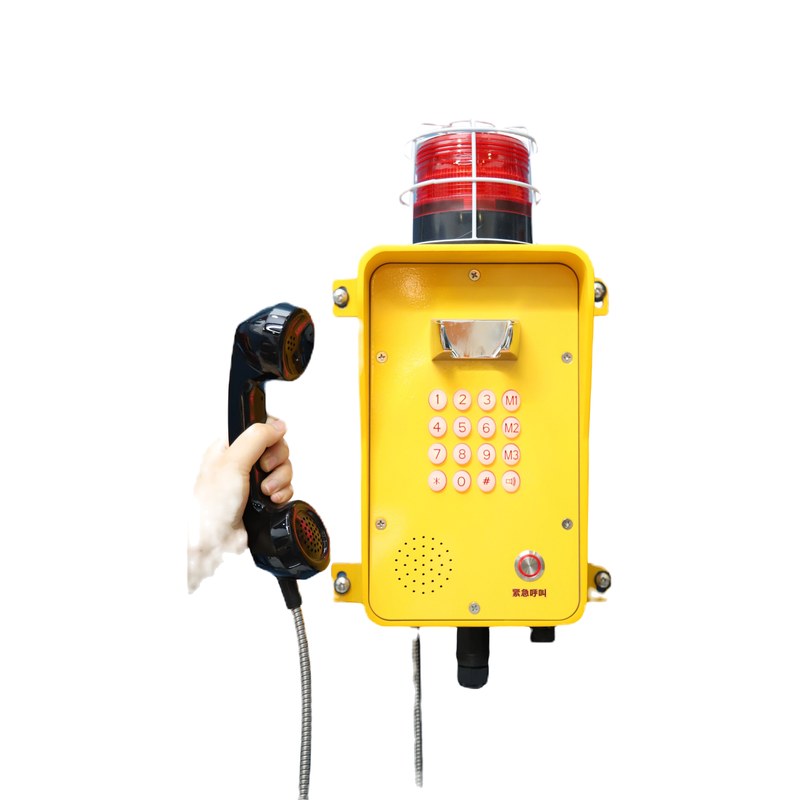
Outdoor industrial telephone used for point-to-point calling
06 Small sites & tunnels

06 / Small sites & tunnels

IP point-to-point calling

A direct intercom link without a SIP server: one call button, one answering host, and a much simpler bill of materials.

Not every site needs a full communications platform. A parking lot with one entrance, a security booth, or a construction tunnel that grows in stages can be served by a direct IP link between endpoints.

Safecom’s IP point-to-point calling removes the SIP server. The intercom uses its hotline function to call the host’s IP address, and the host assigns short codes to call back. For construction tunnels, a wireless bridge can replace fiber as the tunnel extends.

  • No SIP server requiredRemoves server cost and simplifies maintenance for small installations.
  • Hotline callingThe intercom calls the answering host’s IP address as soon as the button is pressed.
  • Short-code call-backThe host assigns a short code to each terminal and calls it with one keypress.
  • Wireless bridge for moving sitesSuitable for construction tunnels where intercom points are added as work progresses.
  • Easy IP lookupEnter **9*11*4 on the keypad to display the terminal’s IP address.
Discuss this solution

Get started

Tell us what the site looks like.

We will map the call points, the network and the existing systems, then recommend the simplest solution that covers them.

Get a Quote